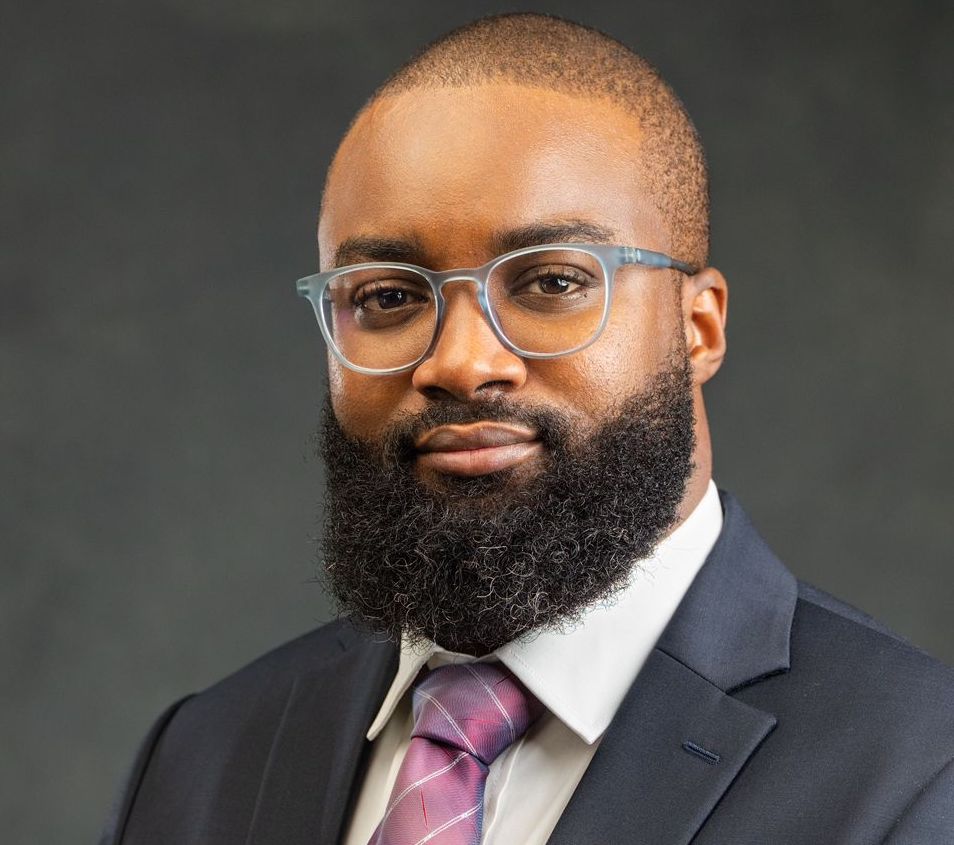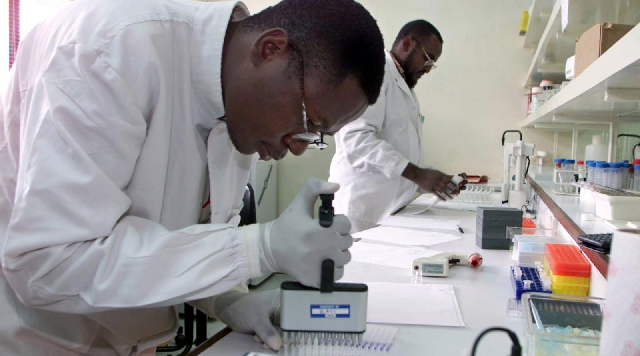
Africa has the greatest variety of human genes anywhere on the planet, but the world is failing to capitalise on it, according to one of the continent’s leading scientists, Prof Kelly Chibale. He is determined to change that. He believes the birthplace of humanity could hold the scientific key to its future.
About 18% of the global population lives in Africa—a proportion set to rise over the next few decades—and it accounts for 20% of the global disease burden. But only 3% of clinical trials take place on the continent, and most of those are in just two countries: South Africa and Egypt.
“I would argue that if you really want to have confidence in a clinical trial, it must start in Africa. Why? If it works in Africa, there’s a good chance it’ll work somewhere else because there is such huge genetic diversity,” says Chibale, of the University of Cape Town.
Genetic differences affect how drugs are processed by the body. They might pass through more quickly, meaning a standard dose is not enough, or more slowly, risking a toxic overdose. Testing a drug in people with a wider variety of genes, rather than the historic standard of a Caucasian man, means the frequency and amount of a drug given to patients can be better calibrated for everyone before it gets to market. Some global regulators now require genetic diversity in trials before they will approve medicines.
He says it is important that encouragement for more Africans to get involved comes from people such as him. There is deep mistrust in many communities because of medical abuses under colonial and apartheid regimes. If calls to participate come from non-African outsiders, people will think “you’re trying to use us as guinea pigs”, he says. “People have been traumatised. But if I say it – because I come from there and I know this is the truth. Who says it, matters?
The 2023 recipient of the Royal Society’s Africa prize, Chibale was in the UK at the institution earlier this month to give a lecture on tailoring medicines to African populations. He leads the H3D research centre at the University of Cape Town, a unit he founded in 2011, which is working on drugs to fight diseases such as malaria and tuberculosis and combat antimicrobial resistance – conditions that predominantly affect people in Africa.
Source: Kat Lay/theGuardian.org