Monday, November 16, 2026
Home Blog Page 10

Resigned! Why FirstBank’s Folake Ani-Mumuney left suddenly

0

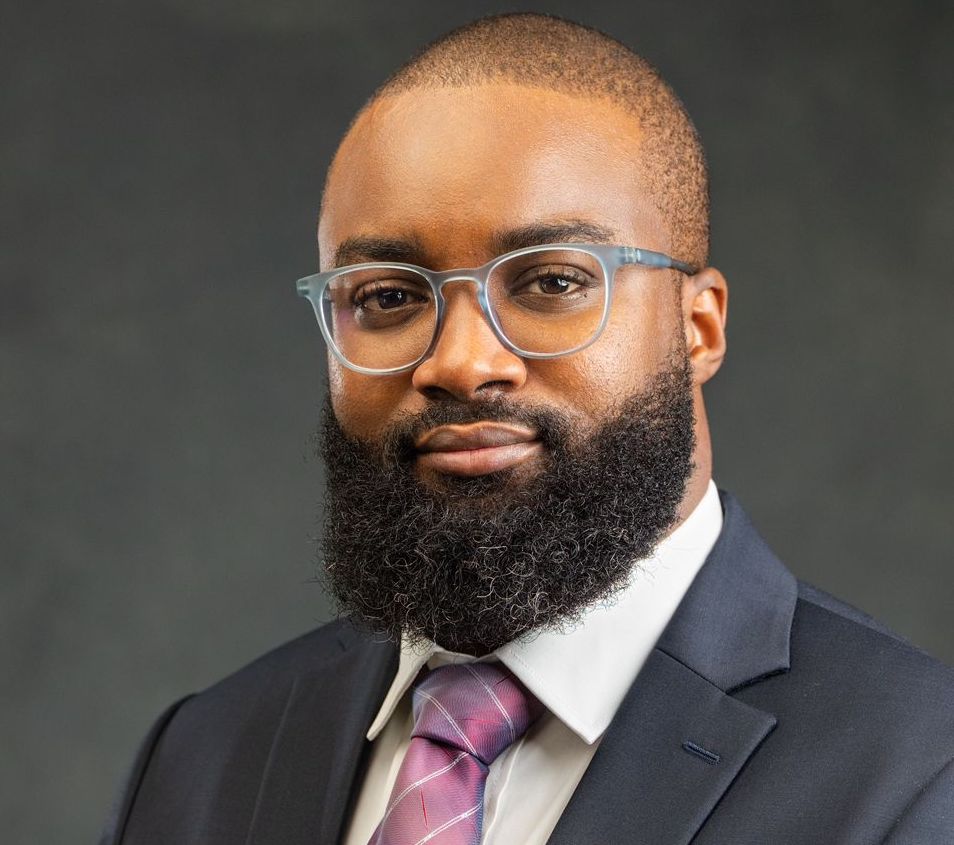
Folake Ani-Mumuney, the former Global Head of Marketing and Corporate Communications of FirstBank PLC has resigned.

Ani-Mumuney, one of the most experienced and respected marketing executives in Nigeria, has been instrumental in shaping the bank’s communication and marketing strategies.

TheCable reported that her resignation was prompted by the bank’s chairman, Femi Otedola. He was “seriously irked” by a lavish send-off party organized by the bank for its former Managing Director, Adesola Adeduntan.

The event, held at Harbour Point, Victoria Island, Lagos, on November 2, to honour Adeduntan, who served as GMD and CEO for nine years until April 2024. Adeduntan himself resigned earlier this year under controversial circumstances as Mr. Otedola sought to reposition the bank for stronger competition.

Report said Mr. Otedola’s frustration with the lavish send-off party, describing it as “insensitive and wasteful,” especially during a time when the bank is focused on recapitalization and restructuring for greater efficiency.

FBN Holdings reported operating expenses of N421.3 billion in the first nine months of 2024, a sharp increase from N212.1 billion recorded in the same period last year. Advertising and promotional expenses also surged to N44.5 billion, compared to N20 billion a year earlier.

The bank’s share price has gained 11% year-to-date, currently priced at N26 per share. FirstBank is also undergoing a rights issue aimed at bolstering its capital base and Mr. Otedola is committed to streamlining the bank’s operations and has consistently cautioned against “extravagant” spending.

TheCable reported that he is reportedly planning to implement more “drastic” measures to ensure FirstBank maintains a standard of impeccable banking “devoid of extravagance and waste of shareholders’ resources.” Media report said Ani-Mumuney had been planning her exit from the bank for years to pursue personal ambitions.

NEC urges states to patronize NASENI’s technological innovations

0

To promote Nigeria’s industrialisation, the National Economic Council (NEC), has urged state governments to patronise technological innovations developed by the National Agency for Science and Engineering Infrastructure (NASENI).

Vice President Kashim Shettima stated this during the 146th NEC meeting, which he chaired at the Presidential Villa, Abuja, following a presentation by the Executive Vice Chairman of NASENI, Mr. Khalil Suleiman Halilu, detailing a strategic roadmap by the agency for Nigeria’s industrialisation.

Mr. Halilu in his presentation titled “NASENI economic transformation through advancement in technology transfer and adaptation,” detailed the agency’s focus on critical sectors such as renewable energy and sustainability, health and biotechnology, agriculture and food manufacturing, sustainable transportation and mobility, digital technology, construction and smart city, defence and aerospace.

In a statement signed by Mr Olusegun Ayeoyenikan, Director of Information, NASENI sought NEC support to establish manufacturing industries in states, access local natural raw materials, streamline processes related to land and seaport facilitation, seek guidance or partnerships to tap into the public sector market, assistance to set up showrooms for NASENI products and favourable policies to promote NASENI activities.

The EVC/CEO of NASENI highlighted the agency’s innovations in energy security, including electric vehicles, NASENI solar home systems for enhanced rural electrification; smart devices including laptops and tablets tailored for Nigeria’s market; and solar irrigation pumps and coal-based fertilizers to improve agricultural productivity.

Halilu reiterated the agency’s commitment to transforming Nigeria into a global innovation powerhouse through technology transfer, and product commercialisation, adding that the agency is working with key partners on NASENI Troment (vaccine factory), NASENI Portland (CNG Centre), NASENI Devfrontier (solar light and battery), NASENI renewable park, and NASENI family homes (sustainable homes).

“Our mission is clear: to make NASENI the ‘go-to’ institution for technology transfer in Nigeria,” he stated, adding that the agency has attracted $3.23 billion in investments, launched the DELT-Her initiative for female engineers, and how the Agency is championing renewable energy projects.

The council lauded NASENI’s efforts in driving local manufacturing and industrial development and therefore directed the agency to scale up the establishment of lithium battery factories in resource-rich regions and repair tractors nationwide under the National Asset Restoration Programme.

Government pledges to tighten fintech regulations

0
Young woman paying with credit card in a cafe

The Federal Government through its Securities and Exchange Commission has reaffirmed its commitment to safeguarding investors by strengthening its regulatory oversight in the rapidly expanding fintech sector.

A statement from the SEC Director-General, Emomotimi Agama, disclosed this during a one-day capacity training for financial journalists in Abuja.

Agama assured stakeholders that the Commission would enforce regulations to curb fund mismanagement and ensure fintech operators comply with capital market rules.

“It is time for fintech operators to be held accountable to the rules of the capital market, particularly when raising funds,” Agama said, emphasising the need for a regulatory environment that fosters innovation while maintaining investor protection.

In a panel discussion at the event, the Director of the Registration, Exchanges, and Market Infrastructure Department at the SEC, Hasfat Rufai, acknowledged the challenges brought by the rise of digital platforms, cryptocurrencies, and fintech startups.

Rufai highlighted the Commission’s commitment to ensuring that investors’ interests remain protected despite these new disruptions. “While these trends bring new opportunities, they also come with challenges, particularly around regulation and investor protection,” she noted.

Rufai further elaborated on the transformation of the investment landscape, stating, “The digital age has transformed the investment landscape, offering greater accessibility, innovation, and opportunity. Investors must adapt to this evolving environment by embracing technology, seeking knowledge, and making responsible investment choices.”

The PUNCH reported that the Securities and Exchange Commission has cautioned investors and the general public against engaging with Marino FX Ltd, which is falsely claiming to be an SEC-licensed cryptocurrency exchange.

Do you know why Jose Mourinho got angry as a coach?

0

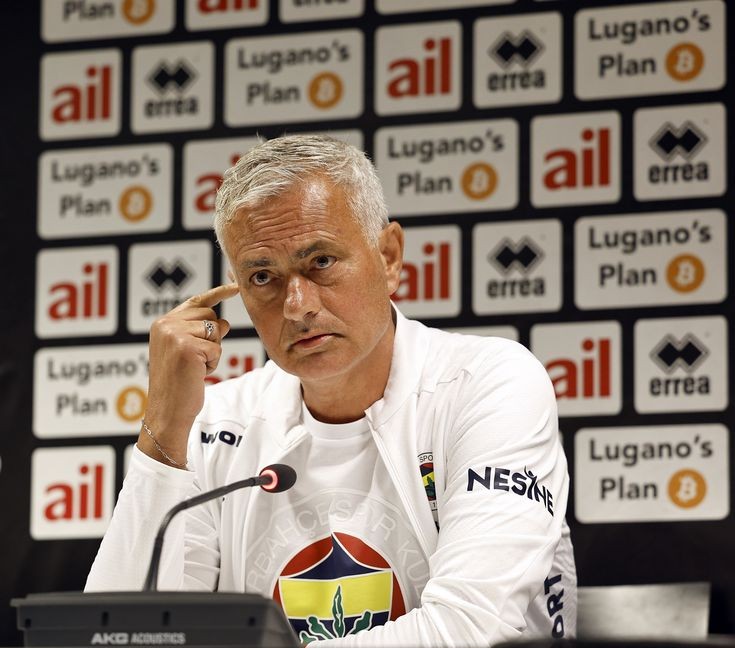
During a distinguished 20-year playing career that included spells with Chelsea, Real Madrid and AC Milan, Michael Essien played under some of the best managers in the game.

But it wasn’t a desire to follow in the footsteps of Jose Mourinho, Carlo Ancelotti or Guus Hiddink that motivated one of the finest midfielders of his generation to try his hand at coaching.

“I just woke up one day and thought, ‘Let me start doing something,'” Essien tells BBC Sport. “I started coaching so I could learn how it is to be a coach. Now I talk to a few of [my former managers]. Just normal talk – nothing tactical.

“I had some great, great managers that I was lucky to work under. I learned a few things from Jose and from Ancelotti – his calmness and how he manages his players, the way he tried to put his arms around his players.

“Now I understand a bit more why Jose would get angry.”

Since 2020 Essien has been working as an assistant coach for Danish top-flight side FC Nordsjaelland (FCN).

That might seem a curious choice of club for a player as well known as Essien to begin his coaching career. But Nordsjaelland’s background drew the former Ghana international to the team based in Farum, a small town in the east of Denmark.

In a reversal of the usual dynamic, Nordsjaelland are a professional club owned and operated by a youth academy.

Celebrating its 25th anniversary this year, the Right to Dream academy was founded in Ghana in 1999 by Tom Vernon, a former Manchester United scout.

With a holistic approach to developing its youngsters on and off the pitch, the academy has produced several top players while also providing a route to further education for its students.

West Ham’s Mohammed Kudus, Southampton’s Kamaldeen Sulemana and Brentford’s Mikkel Damsgaard are among Right to Dream’s most notable graduates.

In 2019 Right to Dream purchased Nordsjaelland to provide a pathway to European football for its best hopefuls. And next year its new American venture, San Diego FC, will join MLS as an expansion club.

Interswitch sponsors CeBIH 2024 conference and collaborates to foster the payment system vision 2030

0

Interswitch Group, a leading integrated payments and digital commerce company in Africa is the key sponsor of the Committee of e-Business Industry Heads (CeBIH) 2024 Conference.

The event will occur from December 4th to 5th 2024 at the Eko Convention Centre, Victoria Island, Lagos, the conference will explore the theme “Payment System Vision 2030: Navigating Contemporary Issues in Driving Future Growth.”

CeBIH comprises top-tier electronic business practitioners from all banks in Nigeria, with the primary objective of promoting electronic banking services that align with global best practices. The conference will play a pivotal role in advancing the goals of Payment System Vision (PSV) 2030 by evaluating progress, highlighting key milestones, and addressing challenges within the payment ecosystem.

The PSV 2030 is a strategic framework developed by the Central Bank of Nigeria (CBN) to guide the evolution of the country’s payment systems over the next decade. Building on the success of previous initiatives like the Payment System Vision 2020, PSV 2030 aims to further advance financial inclusion, drive innovation in the payments sector, and support the broader digital economy in Nigeria.

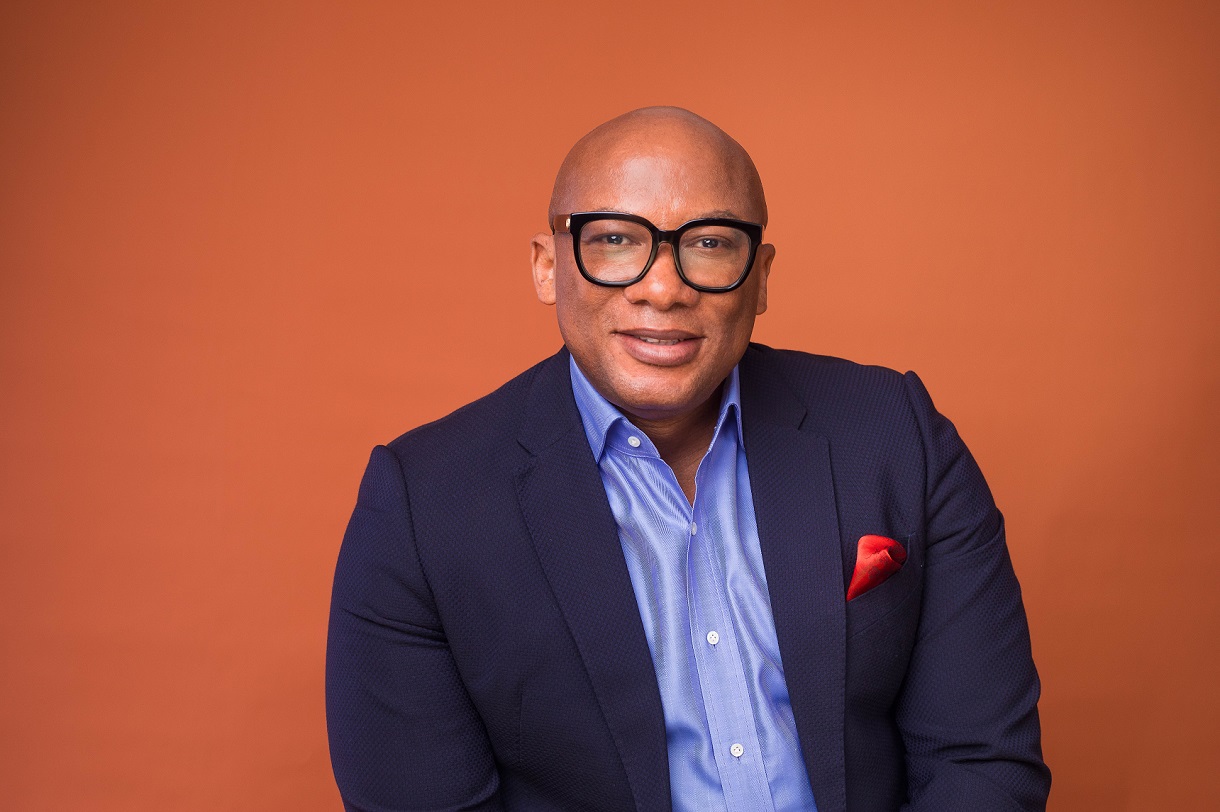
In anticipation of a keynote address titled ‘The Impact of Globalization and the Gig Economy on Inclusive Payment Systems in Nigeria’ to be delivered by Mitchell Elegbe, Founder and Group Managing Director, Interswitch, he remarked,

“We are proud to support CeBIH and the 2024 CeBIH annual conference as it aligns perfectly with our vision of building seamless, secure, and future-ready payment systems for Africa. This partnership highlights Interswitch’s commitment to drive innovation and advance the payments ecosystem. Together, we aim to address the evolving challenges in digital payments and contribute to the development of a robust, inclusive, and sustainable digital economy across Africa.”

The conference will explore the role of technology and innovation in driving digital financial inclusion while fostering dialogue and collaboration between financial institutions, fintech companies, and regulators and generate policy recommendations aimed at creating a supportive environment for the growth and sustainability of Nigeria’s payment ecosystem.

Elon Musk’s Starlink expands direct-to-mobile service to five more countries

0

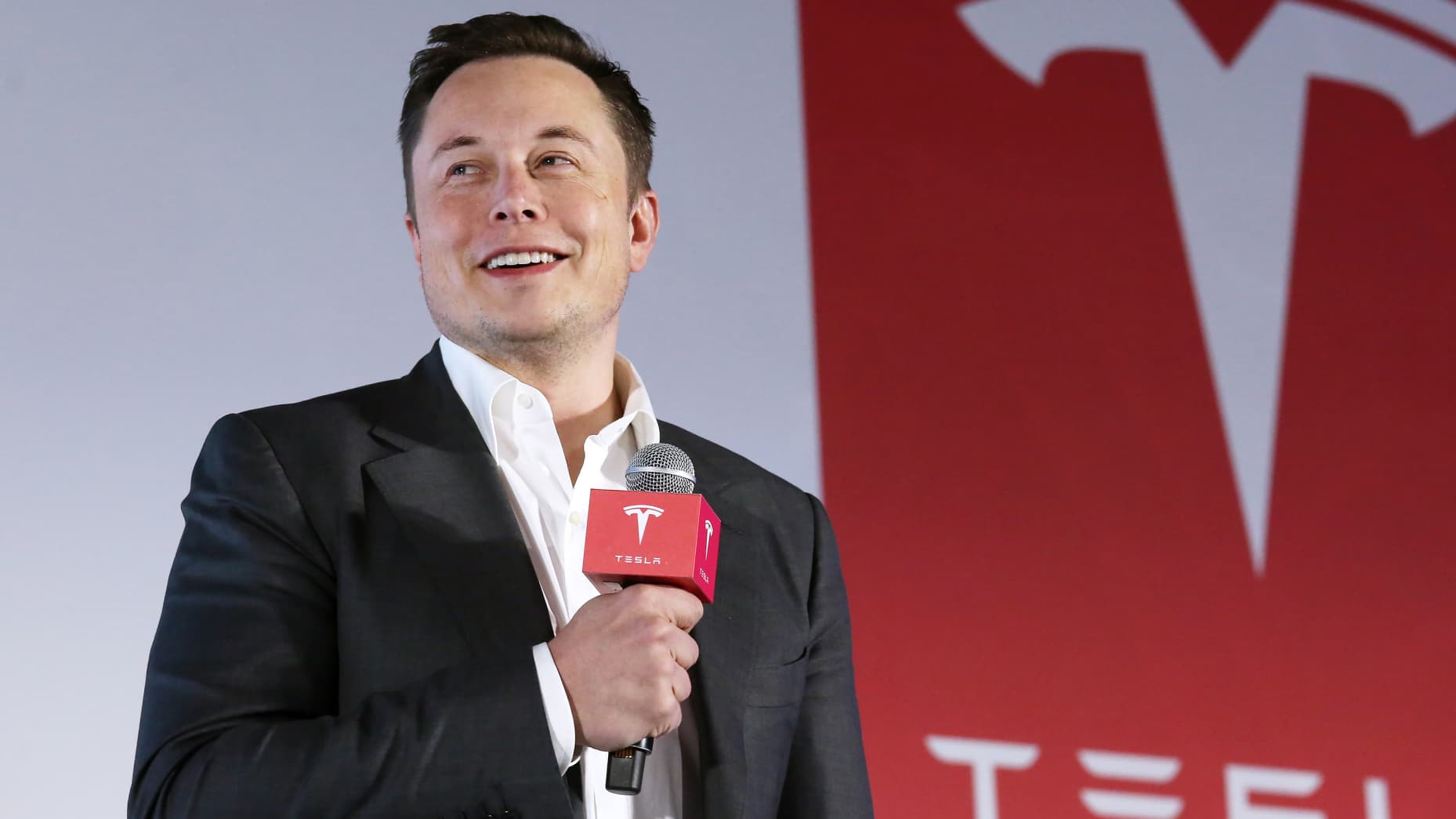
Elon Musk’s satellite internet company, Starlink has launched its direct-to-cell service in five more countries after its successful rollout with T-Mobile in the U.S.A.

A post on X shared by one of Starlink’s engineers, a major telecom operator in Canada, Rogers, has been onboarded for the direct-to-cell service.

Other telecom operators onboarded include One in New Zealand, KDDI in Japan, Optus in Australia, and Salt in Switzerland. Confirming the development via a response to the post, Elon Musk stated:

“Starlink’s new system enables Internet connectivity for your mobile phone with no extra equipment or special app. It just works.”

Elon Musk recently hinted that Starlink would soon be rolling out its direct-to-mobile internet service across countries where it currently operates. This came as SpaceX launched 42 new satellites including 26 with direct-to-cell capabilities.

To deploy the service across countries, Musk said the company would be working with network carriers in each of the countries it operates to roll out the service.

Nigeria is the first African country where Starlink satellite internet service was launched in January 2023. The company most recently launched in Botswana, bringing its country of operations in Africa to 15 and 105 globally.

“We are starting off working with one carrier in each country, but ultimately hope to serve all carriers,” Musk said while speaking of the plans to expand the service globally.

With the new satellites, Starlink is promising the world access to communication services anywhere in the world.

“Starlink satellites with Direct to Cell capabilities enable ubiquitous access to texting, calling, and browsing wherever you may be on land, lakes, or coastal waters,” the company said in a post on its website.

However, the largest telecommunications operator in Nigeria, MTN is already positioning itself for collaboration with Starlink to benefit from its satellite service. MTN Groups recently announced that it was in talks with Starlink in its bid to expand its services to unserved areas across its operating market.

Nigeria’s broadband subscriptions and penetration increased slightly in October

0

Nigeria’s broadband subscriptions reached approximately 91.6 million in October 2024, reflecting a slight increase from 90.1 million in September 2024. Recent data from the Nigerian Communication Commission (NCC) has shown.

This growth has led to a broadband penetration rate of 42.24%, up from 41.56% the previous month13. Mobile broadband remains dominant, accounting for over 99% of connections.

Despite these gains, Nigeria faces significant challenges in achieving its goal of 70% penetration by 2025, primarily due to infrastructure deficits and vandalism, security issues, especially in Northern Nigeria and foreign exchange constraints, impacting telecom investments.

At the Critical National Information Infrastructure (CNII) protection and resilience workshop series, organised by the National Cybersecurity Coordination Centre (NCCC), office of the National Security Adviser in October, the Executive Vice Chairman, Nigeria Communications Commission (NCC) Aminu Maida noted that beyond vandalism and theft, the denial of access to telecom facilities by property owners, communities, and various levels of government.

“This issue profoundly affects network expansion and maintenance efforts, hindering our ability to meet the high demand for connectivity and services.

“In 2023 alone, we recorded over 20,000 cases of site access denial, with each case representing a barrier to connecting more Nigerians and facilitating a robust digital economy.

Instant coffee, instant payment and ladder to Africa’s economic growth

0

I love the smell of brewed coffee but my father was a devotee. Each morning coffee aroma would waft through my nostrils, waking me, and picking me up for school. While instant coffee comes in light brown granules, regular coffee is deep black. Father kept packs of both in his tea drawer. Instant coffee is popular because of its convenience and it contains less caffeine. Brewed coffee does not.

Like my father, you can mix instant coffee in a big mug with hot water and fly away. Regular coffee is not that simple. Many of my older friends are die-hard brewed coffee drinkers, and they have developed palates for coffee. I have not and do not intend to do so. However, health experts say the two types of coffee have similar benefits. One contains more caffeine. The other has less caffeine. If you consume the two in moderation, your heart will love you.

On the one hand

If you receive instant payment for services, you will smile. Like instant coffee, convenience is at the core of instant payment. A new report has corroborated this fact. Let us check it out. The taste of the pudding lies in the number. The State of Inclusive Instant Payment System (SIIPS) 2023 reported that Africa processed 49 billion transactions in 2023.

On the other hand

In 2020, Africa’s instant payments industry, across domestic and cross-border payments, generated approximately $24 billion in revenues. $15 billion came from local payments. 47 billion individual transactions totalled over $800 billion.

In the long term

The report explores the evolution of the supply and demand of instant retail payments. It highlighted the challenges and opportunities shaping Africa’s payment landscape to equip stakeholders with the insights they need to motivate investments, partnerships, and progress toward inclusivity.

SIIPS stated that the huge number underscores a broader trend. There is a shift towards digital, fast, and efficient payments. This is becoming a ladder to Africa’s economic growth. The report showed that there are 31 operational instant payments in 26 countries. The 27 is on its way. The figure is growing at 37% in volume over five years. While digital payment adoption surges, barriers remain for vulnerable groups, especially women, who face security and fraud concerns.

Despite progress, no system has fully achieved inclusive access, affordability, or transparency. The report emphasized the need for collective efforts to expand instant payments in rural areas. To ensure universal financial inclusion by the year 2030. Globally, instant payments are booming. The industry is attracting more investment than any other financial services sector. It has delivered the highest returns.

The total value transacted surged at a remarkable average annual growth rate from 2019 to 2023, reaching over $1 trillion last year. Such figures highlight Africa’s increasing reliance on digital financial systems and indicate a seismic shift in how money moves.

According to a 2022 McKinsey report, The Future of Payments in Africa, factors driving instant payment in Africa include young, urbanized consumers and strong economic fundamentals. Africa has the fastest population growth rate in the world. It averages 2.7 per cent per year, compared with a global average of 1 per cent. Africa has the youngest median age of 20 years. Consumers in Africa are benefitting from an increase in the proliferation of alternative payment methods. Local and international fintech and telecom players are offering these methods.

GSMA said about 1.2 billion mobile money accounts existed in 2020. This is close to the population of the continent. In sub-Saharan Africa, about $2 billion transactions occur daily. Infrastructure investments are helping to accelerate instant payments domestically and across borders.

In the short term

I do not like coffee. I am in love with instant payment. How about you?

Halima Dangote: Family-owned businesses driving global economic success

0

Family-owned businesses (FOB) can continue to drive economic success, create value for shareholders, and impact communities worldwide by staying true to their core values and adopting strategic practices that prioritise long-term growth, efficiency, and resilience. Halima Aliko-Dangote, Group Executive Director of Dangote Industries shared during the Forbes Global CEO Conference in Bangkok, Thailand.

The Executive Director, of Family Office, Halima spoke at the panel session on Family Business: Looking at the Next Frontier, stressing the need for a balance between tradition and innovation in family-owned businesses, as innovation is vital to staying relevant and competitive in the modern marketplace.

“Successful family businesses recognise the need to adapt to changing consumer preferences, technological advancements, and market trends. Family businesses often have a wealth of experience and deep-rooted traditions. They can also benefit from external expertise and fresh perspectives,” she concluded.

She stated that success in family-owned businesses starts with shared values, goals, governance policies and alignment adding that reputation is part of family capital. According to her, corporate governance structure, adherence to core values, customer satisfaction, shareholder value optimization, meritocracy, and other factors play key roles in the success of our businesses.

Halima noted that studies by Mckinsey showed that they account for more than 70% of global GDP, generate annual turnovers of between $60 trillion and $70 trillion, and provide around 60% of global employment. She stressed the crucial role these businesses play in creating jobs, sustaining communities, and driving development in sectors such as manufacturing, education, healthcare, and infrastructure across the world.

“Family-owned businesses (FOBs) have proven to be resilient, weathering challenges and thriving across multiple decades. Despite facing external pressures, many FOBs not only survive but also grow, contributing significantly to the global economy in ways that are often underestimated or overlooked,” she said.

“In Nigeria, we train the next generation so they can grow organically to leadership roles in family businesses. My dad’s approach is for you to start from the ground up knowing you will get to a leadership role if you work hard and do your job right. These experiences make it easier for you to learn the ropes and be prepared for leadership role in the future,” she said.

Africa processed 49 billion transactions in 2023 – SIIPS report

0

The SIIPS Report which offers valuable insights into the opportunities and challenges facing Africa’s digital payment systems has said that 2023 was a landmark year, with 49 billion transactions processed across the continent—the highest volume recorded to date.

This staggering number underscores a broader trend: the shift towards digital, fast, and efficient payments is becoming a cornerstone of Africa’s economic growth.

Africa.com reported that the SIIPS Report 2024, launched in Accra recently told the remarkable growth of Instant Payment Systems (IPS) in Africa, emphasising their role in advancing financial inclusion.

With 31 operational IPS in 26 countries and another 27 on the way, the report reveals a 37% growth in transaction volume over five years. While digital payment adoption surges, barriers remain for vulnerable groups, especially women, who face security and fraud concerns.

Despite progress, no system has fully achieved inclusive access, affordability, or transparency. The report emphasizes the need for collective efforts to expand IPS, particularly in rural areas, to ensure universal financial inclusion by 2030.

Supported by partners like the World Bank and UNECA, the SIIPS Report offers valuable insights into the opportunities and challenges facing Africa’s digital payment systems, calling for innovation and regulatory support to achieve seamless, cross-border payments across the continent.

More importantly, the total value transacted surged at a remarkable average annual growth rate of 39% from 2019 to 2023, reaching over $1 trillion last year. Such figures highlight Africa’s increasing reliance on digital financial systems and indicate a seismic shift in how money moves.